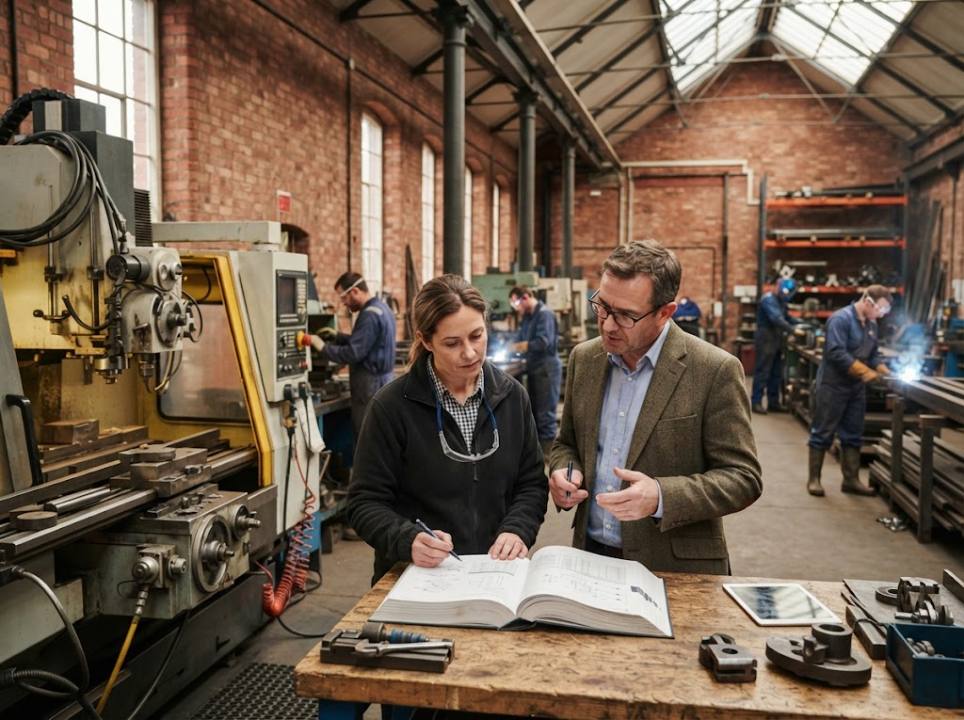
The North of England is home to thousands of exporters, from engineering firms in Sheffield and textile producers in Lancashire to food companies in Yorkshire and tech start-ups in Manchester. It is also home to some of the most linguistically diverse communities in the UK. For businesses and public services across the region, reliable language support is no longer a niche need. It is part of everyday operations.
This article looks at how organisations in the North can find and build language support that actually works.
Why Language Needs Are Growing
Several trends are pushing demand up at the same time. Exporters are looking beyond the EU to markets in Asia, the Middle East and Latin America. Manufacturers employ staff from many countries and must deliver safety training they understand. Councils, schools and health services serve residents who speak dozens of languages.
The organisations that cope best treat language as an operational function, with clear processes, rather than as an occasional emergency.
The Benefit of a Regional Partner
Language work can be done remotely, but proximity still helps. Working with providers of translation services manchester businesses can meet face to face makes complex projects easier. Account managers can visit a production line, sit in on a product briefing or join a planning meeting for a trade fair. That context leads to better translations.
Regional partners also understand local sectors, from advanced manufacturing to logistics and higher education, and often already know the terminology your industry uses.
Technical Documentation for Exporters
For manufacturers, the biggest language task is usually documentation: operating manuals, safety data sheets, maintenance guides, technical specifications and packaging. Errors here can lead to product recalls, injuries or rejected shipments.
Specialist technical translation services assign engineers-turned-translators or linguists with long experience in the sector. They work with approved terminology lists and translation memory, so that a part name or warning stays identical across every document and every update.
Plan documentation early
Bring the translation partner in while manuals are still being written. Clear, consistent English source text makes translation faster, cheaper and safer. Leave space in layouts for longer languages and avoid text embedded in images.
Supporting a Multilingual Workforce
Many factories, warehouses and care providers in the North employ workers from Central and Eastern Europe. Romanian is one of the most widely spoken languages among these workers. An experienced romanian translator can adapt induction packs, health and safety rules, contracts and company policies so that staff understand their rights and responsibilities from day one.
Interpreters are equally important for training sessions, disciplinary meetings and occupational health appointments. Relying on bilingual colleagues may feel convenient, but it puts them in an awkward position and risks misunderstandings on sensitive topics.
Public Services and Community Languages
Councils, NHS trusts, schools and housing associations communicate daily with residents who speak Urdu, Polish, Arabic, Romanian, Bengali and many other languages. Good practice includes translated key letters and leaflets, access to telephone and video interpreting, and clear guidance for staff on when and how to book language support.
Export Support and Market Research
Before entering a new market, exporters benefit from understanding local regulations, customer expectations and competitors. The government's great.gov.uk service offers export guidance, market information and contacts. Translation partners can then help turn that research into localised sales material, websites and contracts.
Building an Efficient Workflow
- Appoint one internal contact who coordinates all language requests.
- Agree standard turnaround times and pricing with your provider.
- Build glossaries of product names and technical terms.
- Keep a library of approved translations for reuse.
- Review quality regularly with feedback from local users.
Controlling Costs
Costs rise when requests arrive at the last minute, source files keep changing or every department uses a different supplier. Centralising requests, using translation memory and planning ahead can reduce spending significantly while improving quality.
The cheapest translation is the one you only pay for once. Reusing approved content across documents and languages makes a real difference over a year.
Measuring Success
Useful indicators include fewer customer complaints from export markets, faster product approvals, better completion rates for staff training and positive feedback from community users. Simple surveys in the relevant languages can reveal where communication still breaks down.
Questions to Ask a Potential Provider
- Which sectors in the region do you already work with?
- Can you provide both translators and interpreters?
- How do you handle urgent requests outside office hours?
- How is quality checked before delivery?
- Where is our data stored and who can access it?
Trade Fairs and Overseas Visits
Trade fairs remain one of the main ways northern exporters meet new buyers. Translated brochures, price lists and product sheets should be ready well before the event, and a short glossary helps sales staff explain key features consistently. For important meetings, booking an interpreter for a day can turn a polite conversation into a real negotiation.
Final Thoughts
Reliable language support helps northern businesses sell abroad, keeps diverse workforces safe and lets public services reach every resident. By choosing a partner who understands the region, planning documentation early and building simple, repeatable processes, organisations can turn language from a challenge into a competitive advantage.